
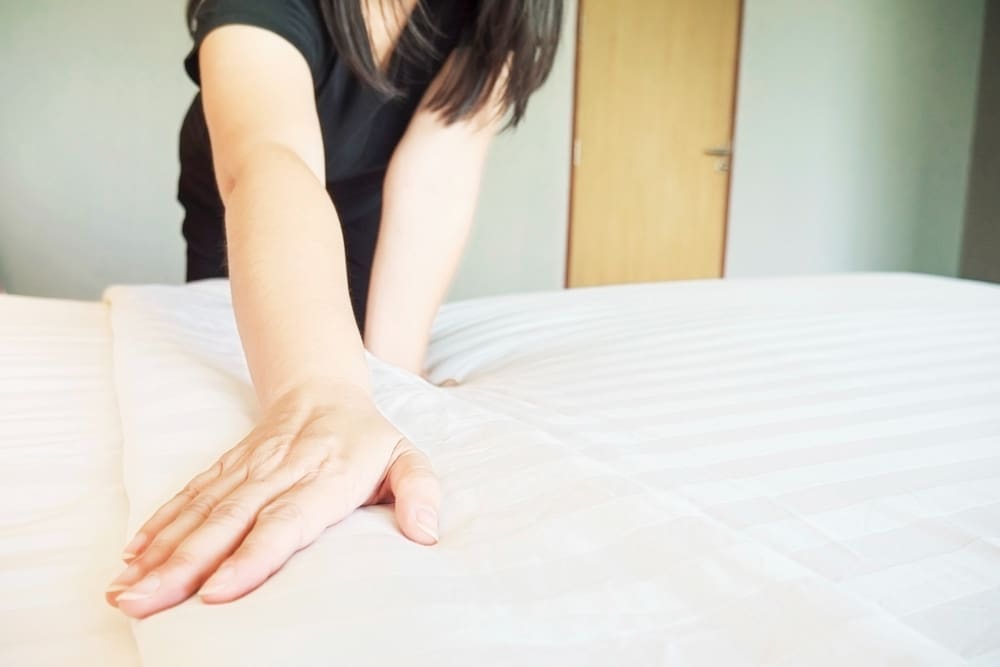
Why Bedding Fabric Matters for Sleep Quality
Your bedding comes into direct contact with your skin for several hours every night, making fabric selection an important part of creating a comfortable sleep environment. The right sheets, pillowcases, and duvet covers can help regulate temperature, wick away moisture, and reduce irritation that may interfere with sleep.
While mattresses and pillows often receive the most attention, bedding fabrics can play a major role in overall sleep comfort and recovery.
Cotton: The Most Popular Choice
Cotton remains one of the most widely used bedding materials for good reason. It offers an excellent balance of softness, breathability, durability, and affordability.
Benefits of cotton bedding include:
- Breathable and comfortable year-round
- Easy to wash and maintain
- Available in various weaves and textures
- Suitable for most sleepers
- Durable with proper care
Long-staple cotton varieties are often considered premium options because they tend to feel softer and last longer.
Bamboo-Derived Fabrics
Bamboo-derived fabrics have become increasingly popular among sleepers seeking softness and moisture control. Many people appreciate their silky feel and temperature-regulating qualities.
Potential benefits include:
- Soft texture
- Moisture-wicking properties
- Good airflow
- Comfortable for warm sleepers
- Gentle feel against sensitive skin
Bamboo bedding can be an attractive option for those who frequently experience overheating during sleep.
Linen: Ideal for Hot Sleepers
Linen is made from flax fibers and is known for its exceptional breathability. Although it may feel slightly textured at first, linen typically becomes softer with repeated washing.
Advantages of linen bedding include:
- Excellent airflow
- Natural moisture management
- Durable construction
- Comfortable in both warm and cool climates
- Relaxed, luxurious appearance
Many hot sleepers prefer linen because it helps dissipate heat more effectively than many other fabrics.
Synthetic Fabrics: What to Consider
Not all synthetic fabrics are problematic, but some may retain more heat and moisture compared to natural fibers.
Potential drawbacks include:
- Reduced breathability
- Increased heat retention
- Less effective moisture management
- Greater likelihood of feeling warm during sleep
If you tend to sleep hot or experience night sweats, carefully evaluate fabric composition before purchasing bedding products.
Beyond Thread Count: What Really Matters
Many shoppers focus heavily on thread count, but it is only one factor affecting bedding quality.
More important considerations often include:
- Fiber quality
- Fabric weave
- Breathability
- Durability
- Moisture management
- Comfort against the skin
A moderate thread count made from high-quality fibers often performs better than an extremely high thread count made from lower-quality materials.
Best Bedding Fabrics for Sensitive Skin
Individuals with sensitive skin may benefit from choosing soft, breathable fabrics that minimize irritation.
Popular options include:
- Cotton
- Bamboo-derived fabrics
- Linen
- Hypoallergenic bedding materials
Regular washing and proper bedding maintenance can also help reduce allergens such as dust mites, pollen, and pet dander.
Creating the Complete Sleep Environment
Quality bedding works best when combined with other supportive sleep products. Consider pairing breathable sheets with:
- A supportive cervical pillow
- A quality mattress
- Temperature-appropriate blankets
- Mattress protectors designed for airflow
- Comfortable sleepwear
Together, these elements can create a sleep environment that supports comfort and uninterrupted rest.
Signs It May Be Time to Replace Your Bedding
Over time, bedding materials naturally wear down and lose some of their performance benefits.
Consider replacing bedding if you notice:
- Excessive pilling
- Fabric thinning
- Persistent odors
- Reduced softness
- Increased discomfort while sleeping
- Difficulty regulating temperature at night
Fresh, high-quality bedding can contribute to a more comfortable and inviting sleep space.
Final Thoughts
The best bedding fabric depends on your individual preferences, sleeping temperature, and comfort needs. Cotton, bamboo-derived fabrics, and linen remain among the most popular choices because they offer excellent breathability and comfort. By focusing on fabric quality rather than marketing claims alone, you can create a sleep environment that supports better rest, improved comfort, and overall sleep wellness.