
PILLOWS WITH A PURPOSE
Today’s health-conscious consumers have more choices than ever in their pursuit of good health. While it’s good to have different options, too many choices can be overwhelming and lead to confusion. We need a framework for making the best choices possible.
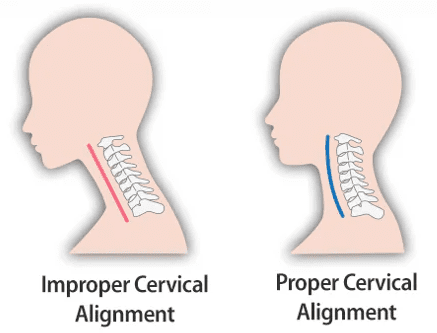
So many daily activities affect our posture, placing the head and neck in a detrimental forward head position. This can be attributed to looking down at handheld devices, sleeping with the head elevated excessively, poor posture, or an acute injury such as whiplash.
Cervical Support Pillows are designed to support your neck in proper alignment while you sleep.
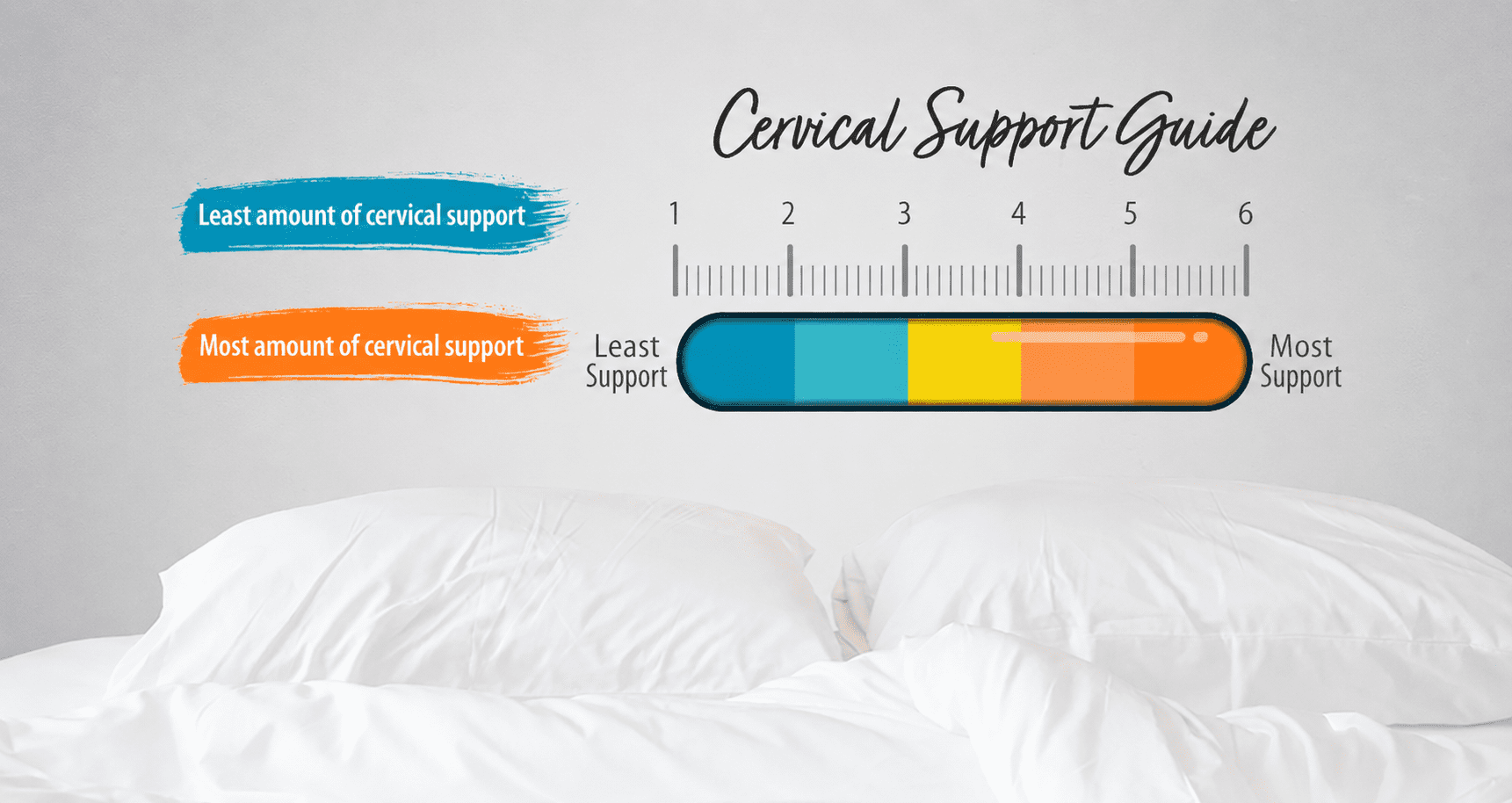
The Cervical Support Guide is designed to help you determine how much cervical support each pillow offers.

Please note: It may take some time to adjust to a cervical pillow and immediate overuse may increase neck pain. Those who slowly ease their way into orthopedic correction, by alternating between this pillow and their current pillow, achieve the best results.
WHICH PILLOW IS RIGHT FOR ME AND HOW MUCH CERVICAL SUPPORT DO I NEED?
Determining which pillow is right and finding the appropriate amount of cervical support when sleeping depends on individual factors such as your sleeping position, personal preferences, and any existing neck or spine issues. So, should you get a pillow with more or less cervical support? Which type of pillow is right for you?
The bottom line is there is not a one-size fits all solution – choosing the right pillow is a personal and individual decision. However, it is important that your pillow provides the proper amount of cervical support to promote a healthy sleeping posture. Although we cannot select the exact pillow for you, the following tips will help you assess your needs and help guide you when choosing the best pillow for you:
Sleeping Position: If you sleep on your back, you typically need a pillow that supports the natural curve of your neck and head. If you sleep on your side, a thicker pillow that fills the space between your ear and the mattress can help maintain proper alignment. Stomach sleepers often need a softer and flatter pillow to prevent strain on the neck.
Neck Curve: Pillows should provide enough support to maintain the natural curve of your cervical spine. This helps prevent excessive flexion or extension during sleep. Products has a wide variety of cervical support pillows as well as adjustable pillow options to meet your individual needs. The large majority of Products’ pillows do provide some sort of cervical support.
(Reference the gauge next to each pillow within the Cervical Support Guide)
Personal Comfort: Consider your personal comfort preferences. Some people prefer firmer pillows, while others like softer ones. Some people prefer a fiber filled pillow, while others prefer a foam pillow. The goal is to find a balance that keeps your neck and spine aligned & comfortable.
Existing Conditions: If you have any existing neck or spine issues, such as arthritis or herniated discs, it’s essential to consult with a healthcare professional. They can provide personalized advice based on your specific health condition.
Weight: A heavier person will sink into their mattress more, which means they may require less height from a pillow while a lighter person would require more height from a pillow.
Mattress Firmness: The firmness of your mattress and the choice of your pillow are interconnected. Traditional, foam, and hybrid mattresses are popular choices for providing support.
Pillow Height: The height of the pillow is crucial. It should be high enough to maintain proper alignment but not so high that it causes strain.
Trial and Error: Finding the right pillow often involves some trial and error. It might take trying a few different pillows to determine what works best for you.
Regular Assessment: As your body changes or if you experience discomfort, it’s a good idea to reassess your pillow and sleep position to ensure ongoing proper support.
Bottom line- while there is not a one-size fits all solution, we hope that using these tips in conjunction with the Cervical Support Guide will help you select the best pillow for your individual needs.
If you’re still unsure which pillow or support level is right for you, feel free to contact our friendly customer service department or consider consulting with a healthcare professional, such as a physical therapist or orthopedic specialist, who can provide personalized advice based on your unique needs and health status.

If you’re still unsure which pillow or support level is right for you, feel free to contact our friendly customer service department or consider consulting with a healthcare professional, such as a physical therapist or orthopedic specialist, who can provide personalized advice based on your unique needs and health status.