Why Falling Asleep Can Be Difficult
Many people occasionally struggle to fall asleep, even when they feel tired. Stress, irregular sleep schedules, excessive screen time, and poor sleep habits can all make it harder for the brain and body to transition into sleep mode.
Fortunately, small adjustments to your routine and sleep environment can often improve sleep onset and help you fall asleep more quickly.
Create a Consistent Sleep Schedule
Your body thrives on routine. Going to bed and waking up at the same time every day helps regulate your internal clock and strengthens your natural sleep-wake cycle.
Even on weekends, try to keep your sleep schedule as consistent as possible. Frequent changes can confuse your body’s circadian rhythm and make it more difficult to fall asleep when desired.
Optimize Your Sleep Environment
Your bedroom should be designed for sleep.
To create a more sleep-friendly environment:
- Keep the room cool and comfortable.
- Use blackout curtains to reduce light exposure.
- Minimize noise with a white noise machine if needed.
- Remove unnecessary distractions and electronics.
- Invest in a supportive mattress and pillow.
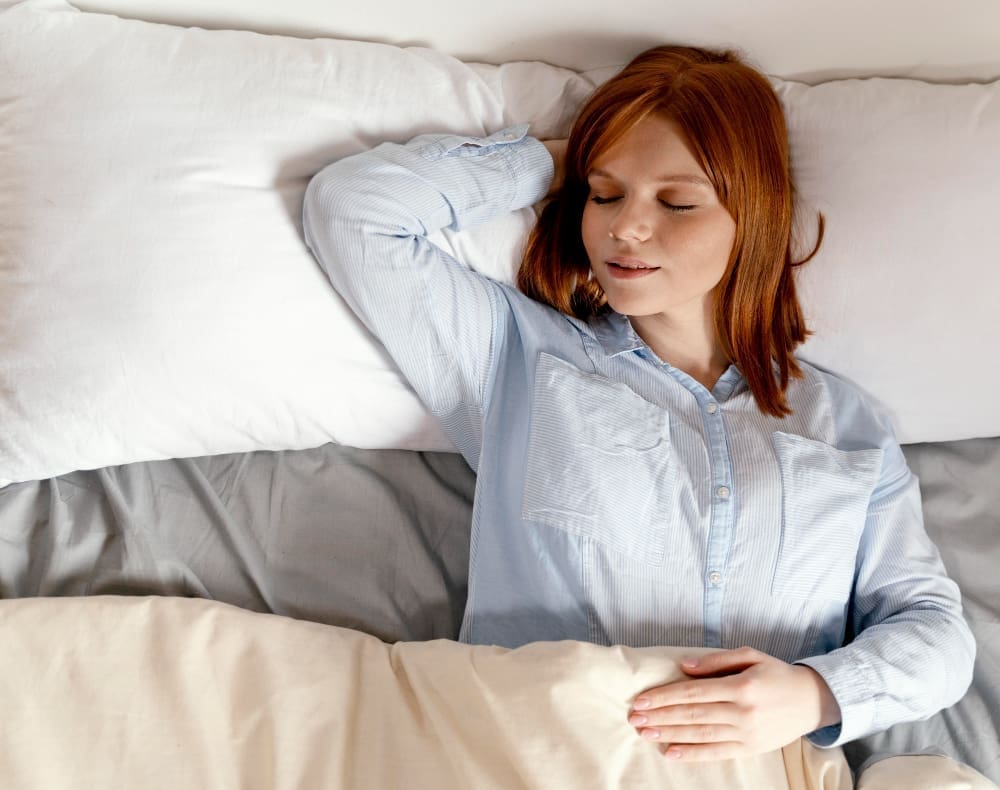
A comfortable sleep environment helps signal to your body that it is time to rest.
The Role of a Supportive Pillow
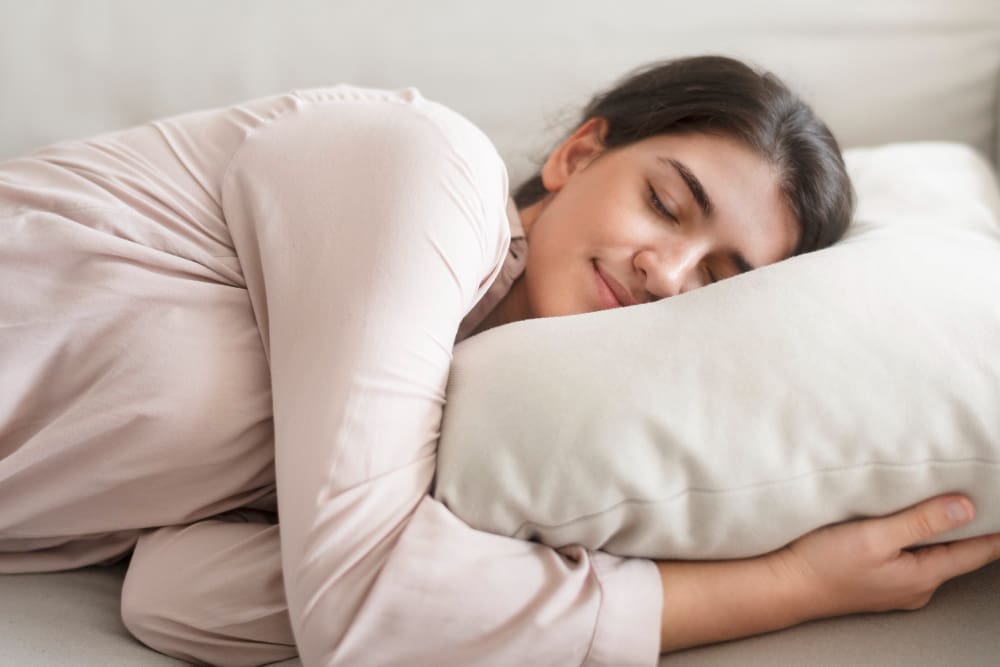
Physical discomfort can make it difficult to relax and fall asleep. A supportive cervical pillow helps maintain proper neck alignment and may reduce pressure on muscles and joints.
When your head, neck, and shoulders are properly supported, it can become easier to settle into a comfortable sleeping position and remain relaxed throughout the night.
Relaxation Techniques That May Help
Calming activities before bed can help slow racing thoughts and prepare the body for sleep.
Popular relaxation methods include:
Deep Breathing
Slow, controlled breathing may help reduce stress and encourage relaxation.
Gentle Stretching
Light stretching before bed can release muscle tension and improve comfort.
Reading
Reading a physical book can provide a calming transition away from screens and daily stressors.
Meditation and Mindfulness
Mindfulness exercises may help quiet the mind and reduce bedtime anxiety.
Foods and Drinks That Can Affect Sleep
Certain foods and beverages can interfere with your ability to fall asleep.
Try to avoid:
- Caffeine late in the day
- Energy drinks
- Large meals close to bedtime
- Excessive alcohol consumption
- Sugary snacks before bed
Instead, focus on balanced meals and proper hydration throughout the day.
What to Do If You Can’t Fall Asleep
If you’ve been lying awake for an extended period, avoid becoming frustrated or repeatedly checking the clock.
Instead:
- Focus on slow breathing.
- Practice relaxation techniques.
- Keep lights dim.
- Avoid reaching for your phone.
- Allow yourself to relax without worrying about sleep.
For many people, reducing performance pressure around sleep can actually make it easier to drift off naturally.
Common Habits That May Delay Sleep
You may fall asleep faster by limiting these habits before bedtime:
- Scrolling social media
- Watching stimulating television
- Working late into the evening
- Consuming caffeine too close to bedtime
- Using bright screens without reducing blue light exposure
Creating a clear separation between daytime activities and bedtime can help your brain recognize when it’s time to sleep.
Long-Term Benefits of Better Sleep Habits
Consistently falling asleep more quickly can contribute to:
- Improved sleep quality
- Better mood and emotional well-being
- Increased energy levels
- Enhanced concentration and focus
- Reduced stress
- Better physical recovery
Healthy sleep habits often provide benefits that extend far beyond bedtime.
Final Thoughts
Falling asleep quickly is usually the result of consistent habits rather than a single solution. Maintaining a regular sleep schedule, reducing evening stimulation, creating a comfortable sleep environment, and using supportive sleep products can all contribute to better sleep. With patience and consistency, small changes can help you fall asleep faster and wake up feeling more refreshed each morning.